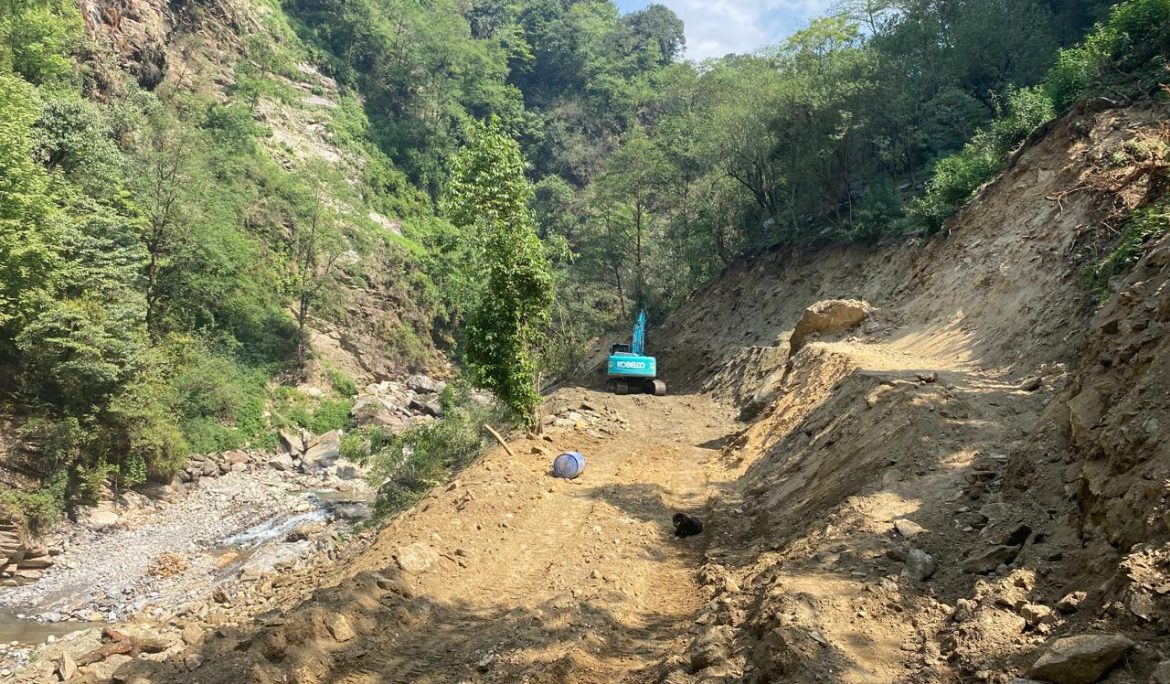
Nepal, known for its majestic rivers and rugged landscapes, holds an estimated 83,000 MW of hydropower potential, of which nearly 42,000 MW is considered economically feasible. Despite this massive potential, the country has tapped only a small fraction of it, creating both a challenge and an opportunity for growth in the energy sector. Hydroelectric projects in Nepal are not only vital for meeting the nation’s energy demands but also for driving economic development, creating jobs, and reducing dependence on imported fossil fuels.
Why Hydropower Matters in Nepal
Hydropower is the backbone of Nepal’s energy sector. As a clean, renewable source of electricity, it provides:
-
Energy Independence: Reduces the need for importing expensive energy from neighboring countries.
-
Economic Growth: Attracts domestic and foreign investments, generating revenue for the nation.
-
Environmental Benefits: Lowers carbon emissions and helps combat climate change.
-
Employment Opportunities: Creates jobs in construction, engineering, and operations.
Key Hydroelectric Projects in Nepal
Nepal is home to several small, medium, and large-scale hydroelectric projects:
-
Upper Tamakoshi Hydroelectric Project (456 MW): One of the largest projects, developed to meet the country’s growing power demand.
-
Budhigandaki Hydroelectric Project (1,200 MW): A storage project aimed at providing year-round energy stability.
-
Super Machha Khola Hydroelectric Project (4.6 MW): A run-of-river project in Gorkha that focuses on sustainable, community-driven development.
-
Upper Marsyangdi A and B Projects: Contributing significantly to the national grid with reliable energy output.
Challenges in Hydropower Development
While the potential is immense, Nepal faces several hurdles in hydropower development:
-
Financing and Investment Risks
-
Environmental and Social Impacts
-
Technical Expertise and Infrastructure Limitations
-
Regulatory and Policy Challenges
Addressing these issues through proper planning, policy reforms, and private sector involvement is key to unlocking Nepal’s hydropower potential.
The Future of Hydropower in Nepal
Nepal’s future lies in its rivers. With increased investments in small and medium-sized projects like Super Machha Khola, and large-scale projects such as Budhigandaki, the country is on track to become a regional energy exporter. Government incentives, public-private partnerships, and a focus on sustainability will play a critical role in this transformation.
✅ Conclusion
Hydroelectric projects are more than just power plants; they are catalysts for change. By harnessing its water resources responsibly, Nepal can achieve energy independence, stimulate its economy, and pave the way for a greener, more sustainable future.